
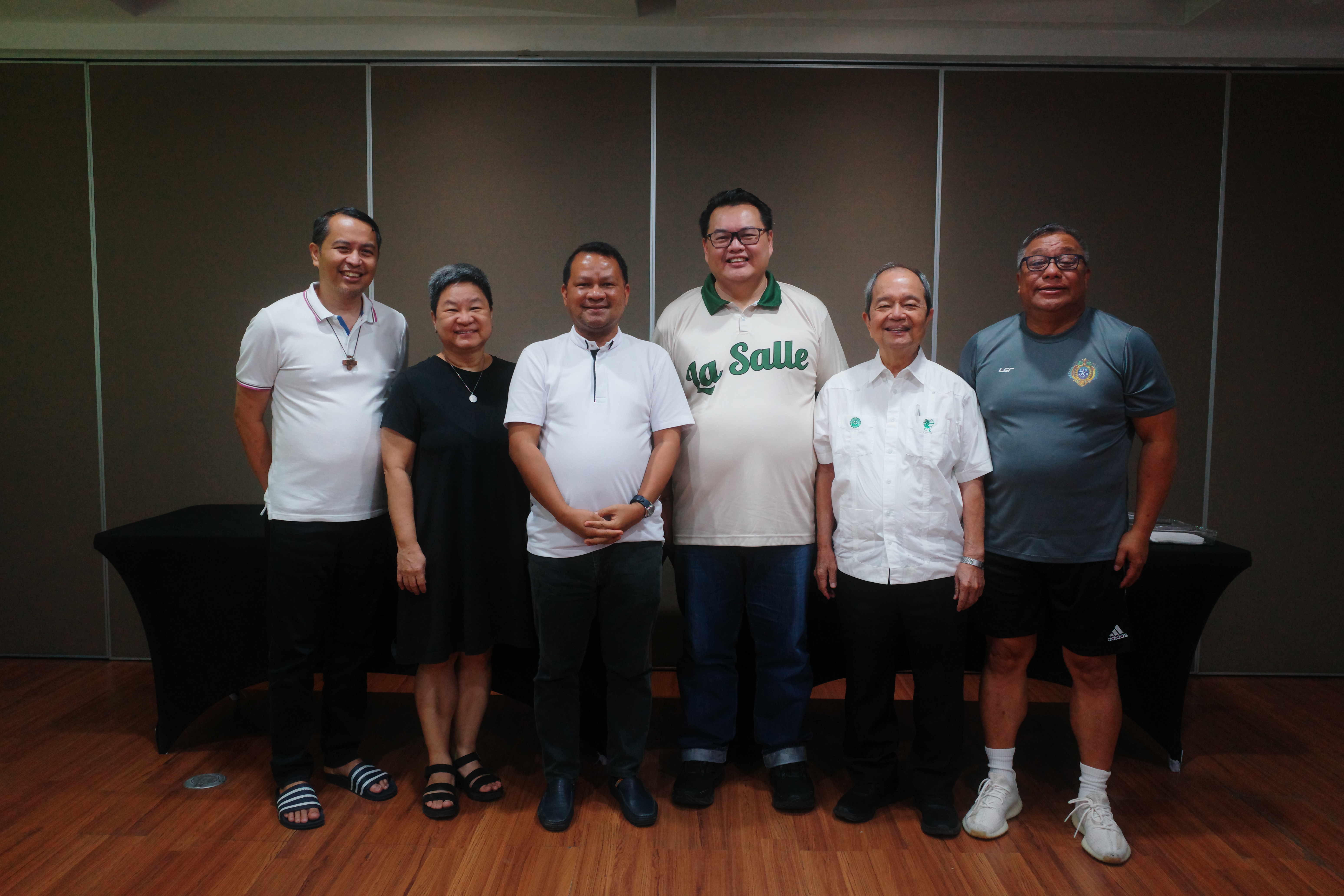
A team of De La Salle Brothers of the Philippine Sector recently gathered for a three-day writing workshop to refine and complete their Safeguarding Manual, a living document that defines how the Brothers understand and practice the protection of minors and vulnerable adults in all their ministries across the Philippines.
The workshop brought together Br. Felipe Belleza FSC, Br. Mandy Dujunco FSC, Br. Ray Suplido FSC, and Br. John Ong FSC, with facilitation provided by Fr. Jigs Rosalinda JCD and Ms. Thea Quintos of the Catholic Safeguarding Institute.
Over three days, the group worked through the theological, legal, and procedural dimensions of safeguarding, moving from foundational principles to practical protocols. The result is a comprehensive manual that covers everything from canonical and civil law obligations to reporting templates, case processing procedures, and the care of Brothers throughout the entire safeguarding process.
Rooted in the Lasallian Tradition
What sets this manual apart is where it begins. Rather than opening with policy language, it opens with the words of Saint John Baptist de La Salle himself, from the Meditations for the Time of Retreat:
"God has provided in giving children teachers whom he has charged with this care and to whom he has given the concern and the vigilance not only to prevent anything whatsoever harmful to their salvation from capturing their hearts but also to guide the children through all the dangers they meet in the world. Ask God today for the grace to watch so well over the children confided to you." -St. John Baptist de La Salle, Meditation #194.1
From this foundation, the manual makes a deliberate theological claim: safeguarding is not a compliance exercise imposed on the Brothers from outside. It is "a spiritual and moral imperative, woven into the very identity of what it means to be a Lasallian Brother." This framing shaped the tone of the entire workshop. The question the group kept returning to was not simply "what are we required to do?" but "who are we called to be?"
A Culture, Not Just a Policy
One of the recurring themes across the three days was the difference between having a safeguarding policy and having a safeguarding culture. The manual captures this distinction plainly: "A safeguarding manual alone does not make an organization safe. Safety is built through culture."
The workshop was not the end of a process but a significant moment within one. The manual will continue to be refined and will be subject to regular review. What the three days produced is a serious, grounded document that the Philippine Sector can stand behind, one that takes both the protection of the vulnerable and the integrity of the Brothers seriously, and refuses to treat those two commitments as being in tension with each other.
As the manual puts it in its opening pages: "Safeguarding is not a restriction upon ministry. It is ministry."


