by Br. Fermín Martínez FSC
“Their Dream Is Our Dream”
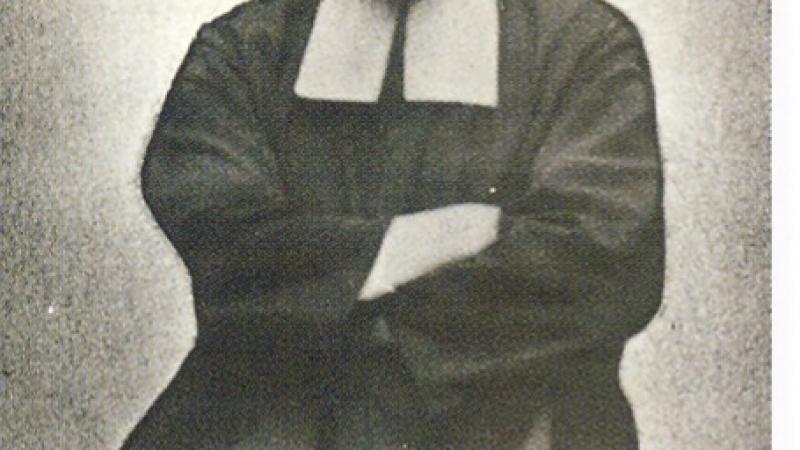
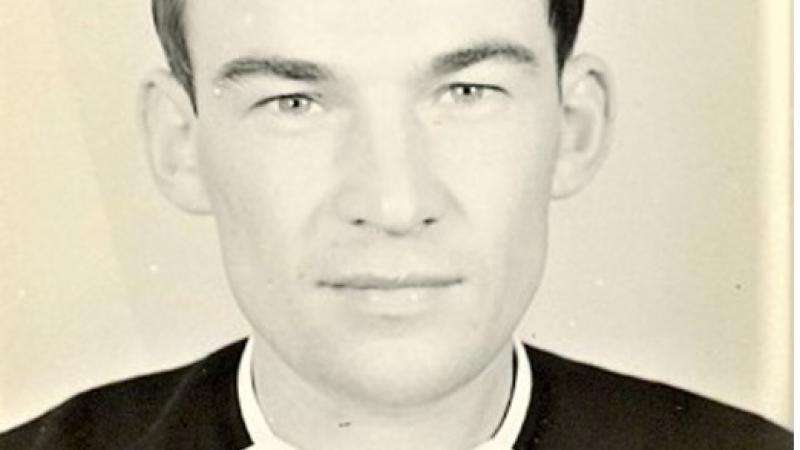
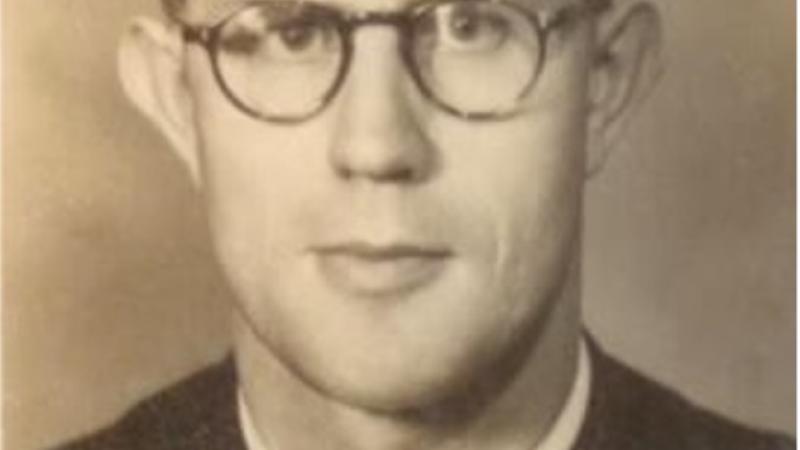
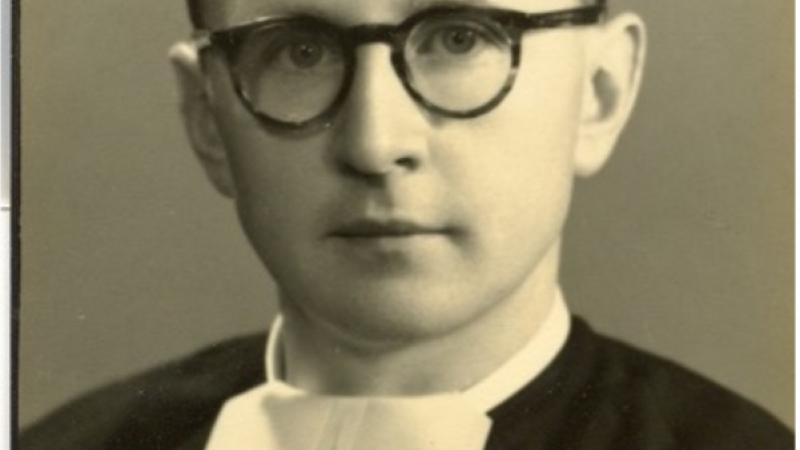
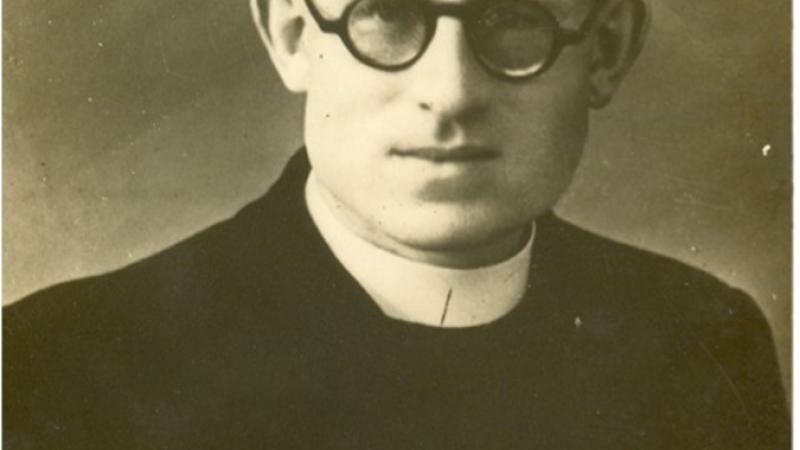
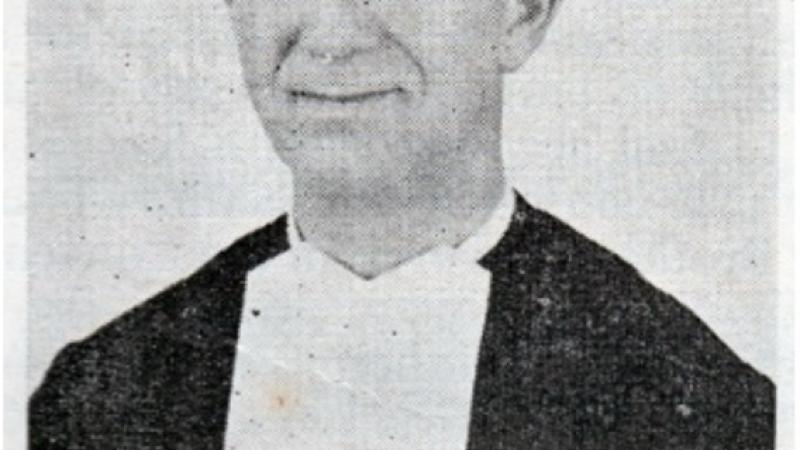
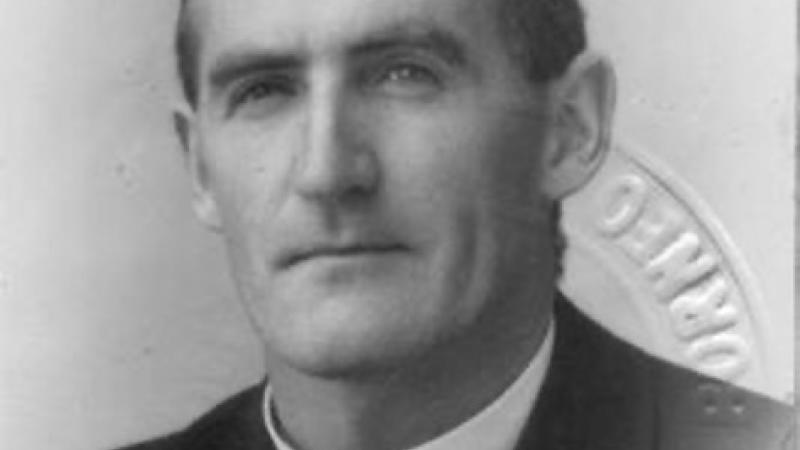
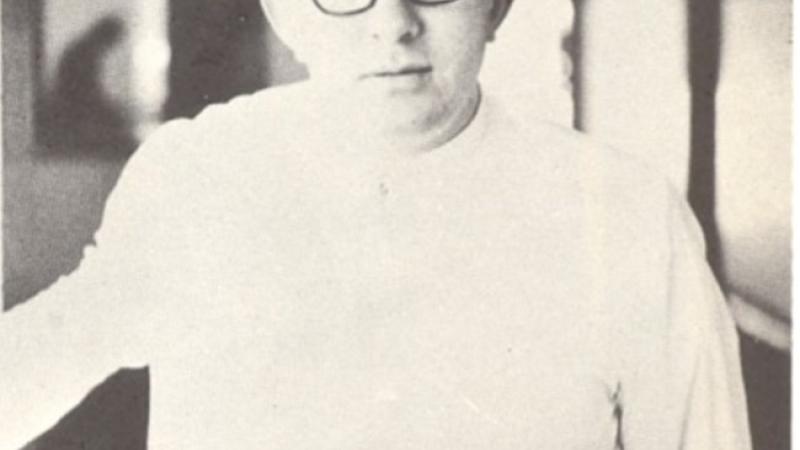
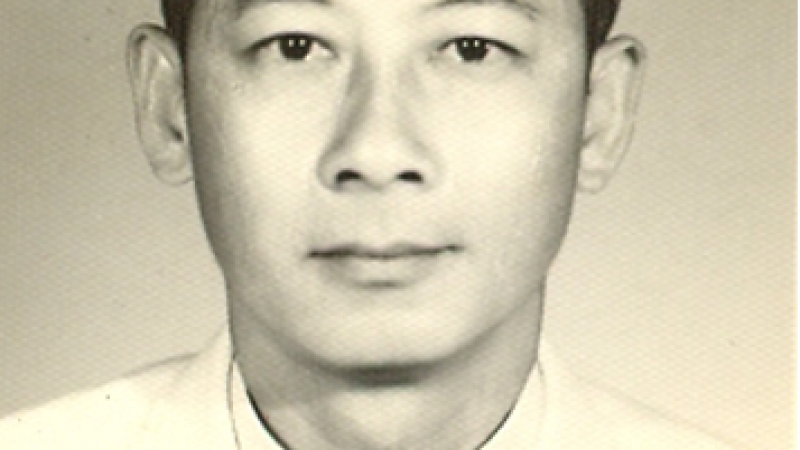
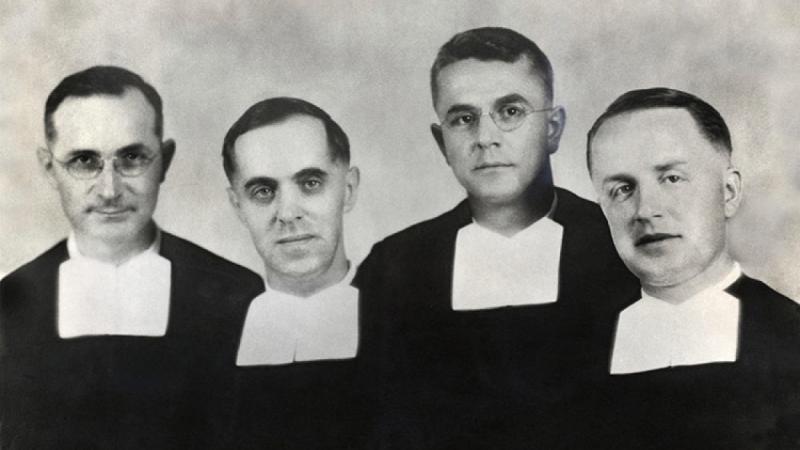
Ninety-four years ago, in 1932, La Salle Japan was born. Four Canadian Brothers were assigned to establish a new mission in Japan. After a long journey by train from Eastern Canada, followed by a voyage across the Pacific Ocean, these four young Canadian Brothers finally arrived at Hakodate Port on November 22, 1932.
They had no home of their own, they did not speak the language, and they had neither credit cards nor bank accounts. They had only what their Superiors had provided to help them begin this new apostolate. Yet, for us today, their dream continues to be our dream.
What money could not buy, however, was far more precious: their youthful and burning hearts, their faith, and their zeal. These were the most valuable possessions they brought with them to the Land of the Rising Sun. Upon their arrival, the Canadian Dominican Fathers living in Hakodate generously opened their home and welcomed our pioneer Brothers.
At that time, apostolic commitment beyond one’s own country was commonly called “missionary work.” A century later, we might describe this kind of apostolic engagement as “going to the peripheries.” The Canadian Brothers who sent the first four Brothers to Japan knew that Japan was not a Christian society. It was a culture and a world beyond their own experience—a periphery.
They understood that they were sending these pioneers beyond the boundaries of their own religious and cultural environment, asking them to step outside their comfort zone and to think beyond what was familiar. Moreover, from the very beginning, the Brothers understood that they were not being sent to convert the Japanese people to Catholicism. They were being sent as educators.
Their charism was clear to them: “Brothers of the Christian Schools”—apostles of fraternity within the educational environment.
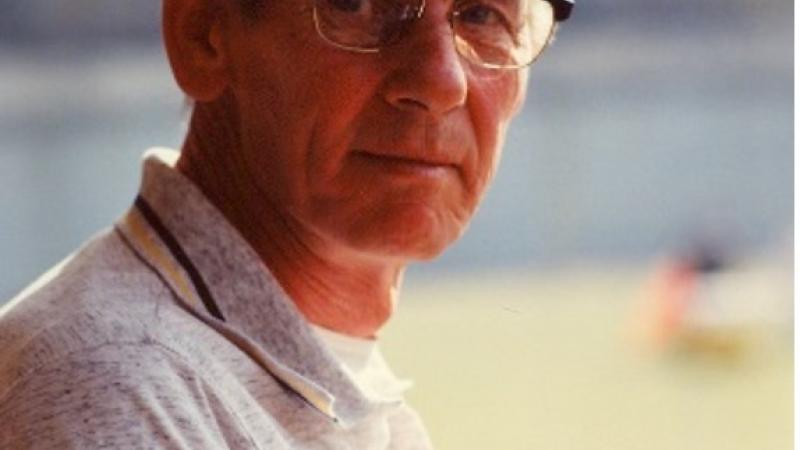
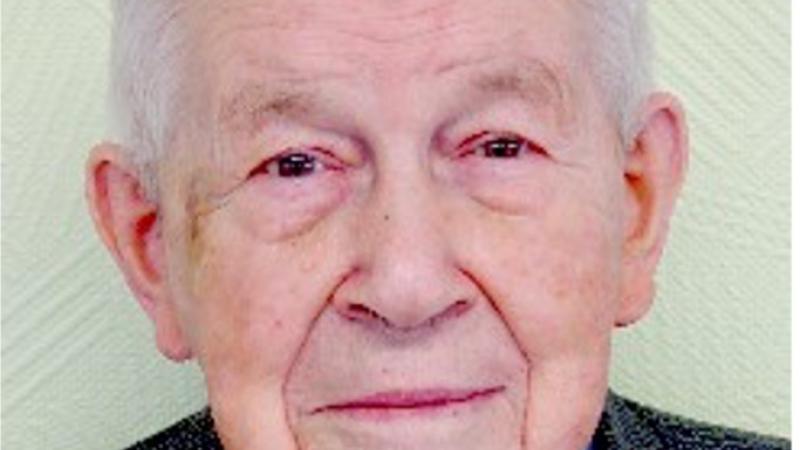
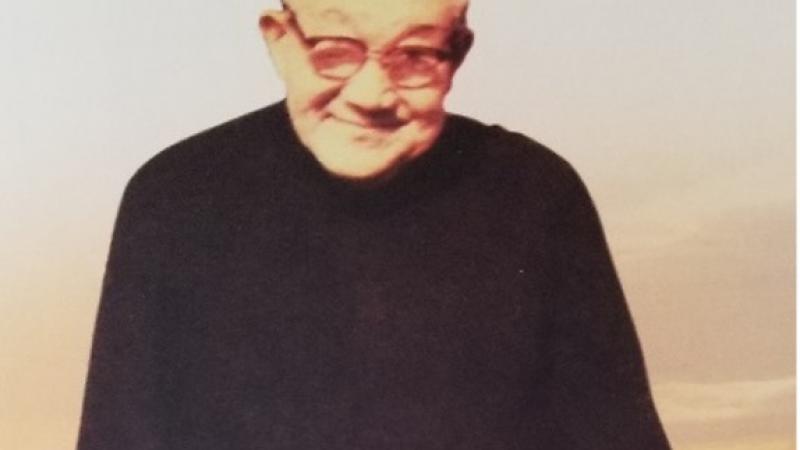
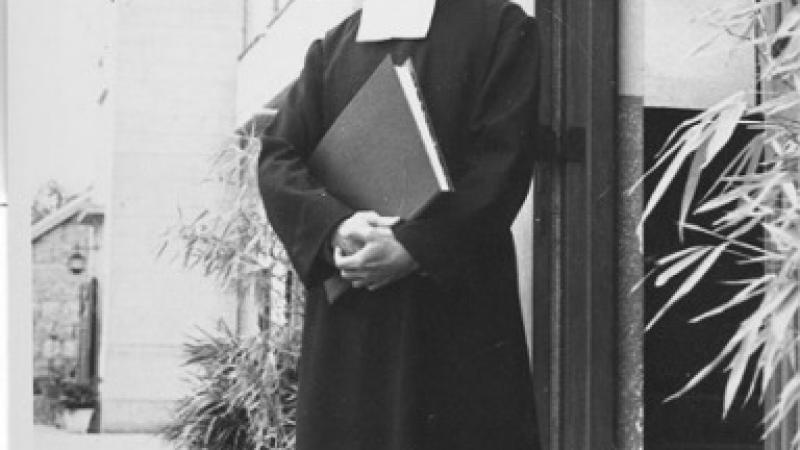
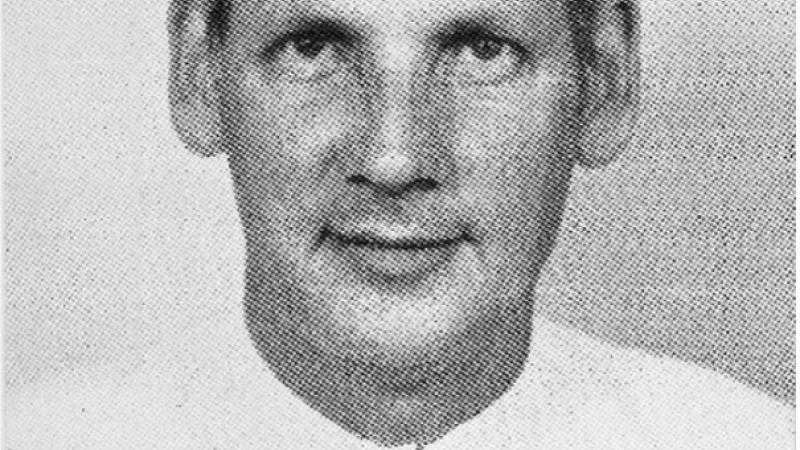
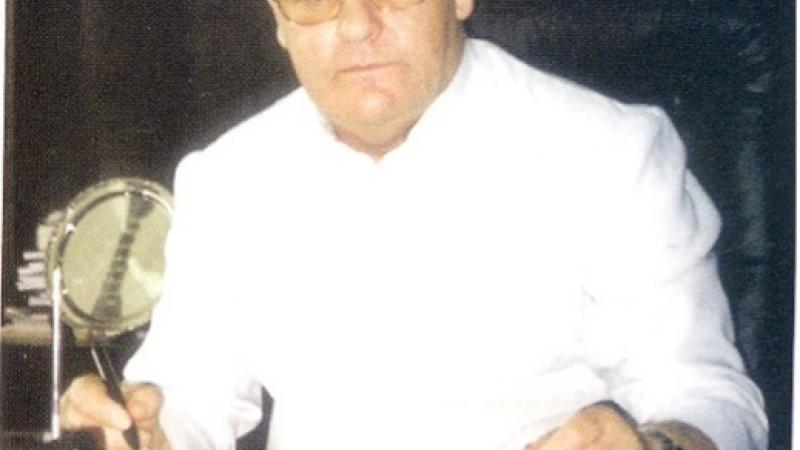
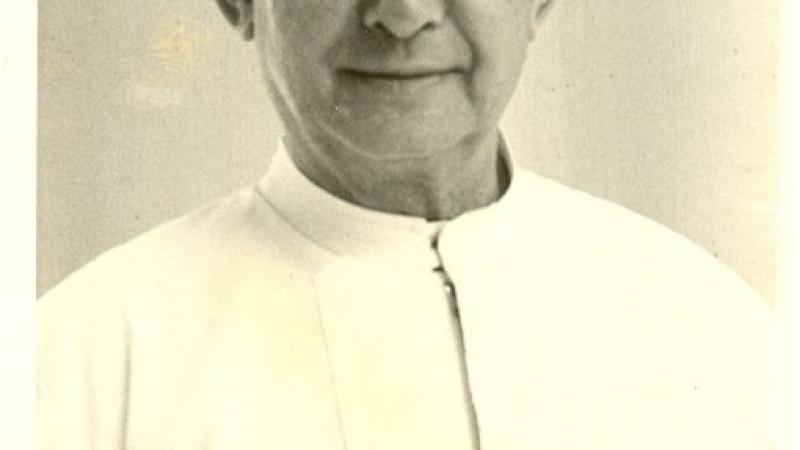
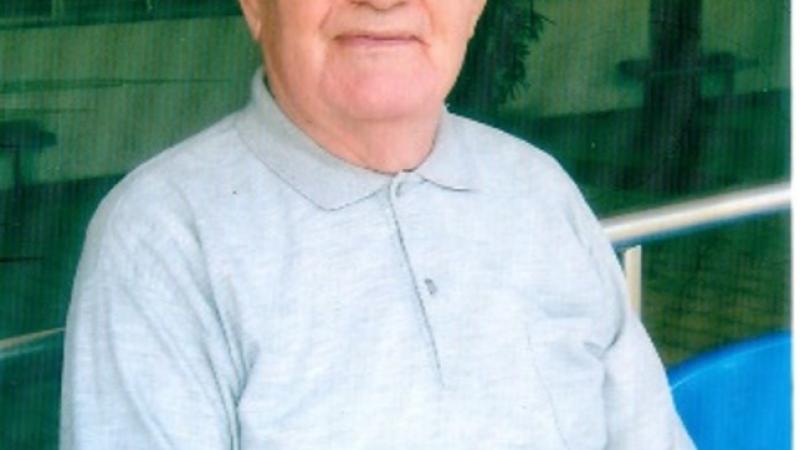
Over the years, a total of 56 Canadian Brothers were sent to Japan. Today, only two of them remain with us. Brother Bruno Paré, who worked for two years in Sendai, is now living at the Saint-Dorothée Community in Montreal, Canada. The other is our most senior Brother in LEAD, Brother André Labelle, who has served the longest in Japan.
Brother André arrived in Japan on September 5, 1956, at the age of 26. After spending 63 years in Japan, he chose in 2019 to move to the Dasmariñas Community, where he has lived ever since. In fact, Brother André is the only Canadian by birth living outside his homeland. Those who know him well would say that his heart has truly become Asian.
Together, the Canadian and Japanese Brothers created a Lasallian educational culture in Japan. Through their collaboration, and together and by association with hundreds of Lasallian teachers, the La Salle Family in Japan continues to live.
The Lasallian spirit is visible not only in our two schools but also in many corners of the country through our alumni. At the same time, former students around the world continue to take pride in their Lasallian heritage: Lasallians sans frontières!
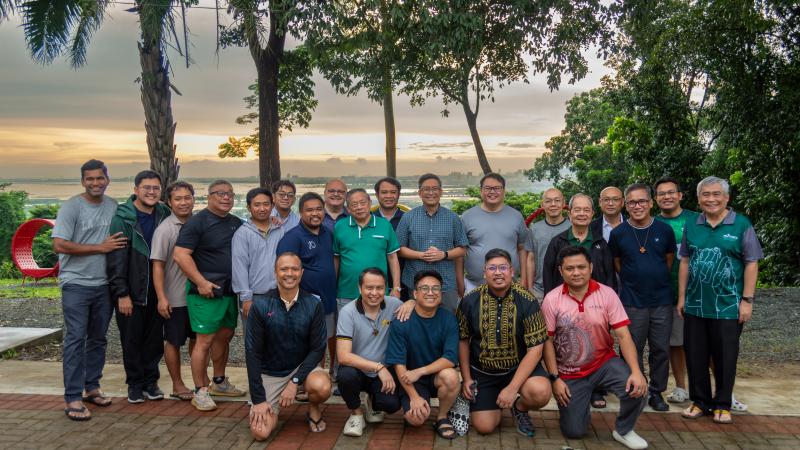
As Canada’s human and fraternal support for Japan comes to an end, our spiritual fellowship will continue forever. We are deeply aware that the Japan Sector could never repay all that the Canadian Brothers have given so that we might become what we are today in this country and continue our educational service to young people. At the same time, Canada expects no compensation in return. We are one. We are family. We are La Salle.
The Brothers in Japan decided to express our appreciation to the Canadian Brothers who are still living, in recognition of their generosity and dedication to their “mission.” For many Canadian Brothers, La Salle Japan was perhaps their dearest missionary commitment.
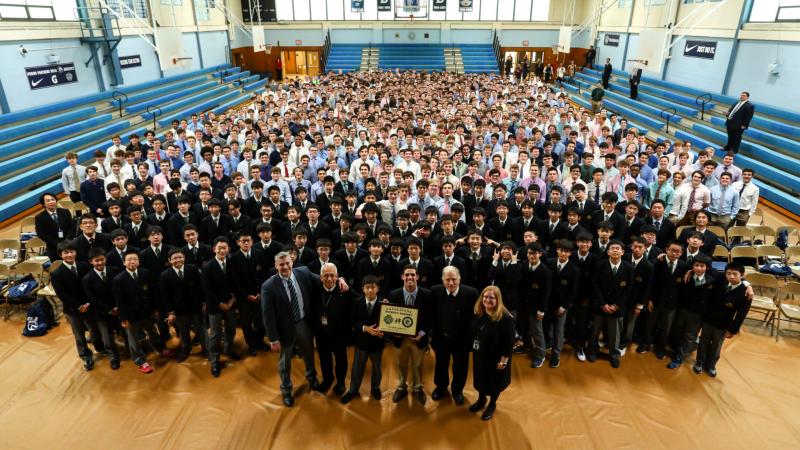
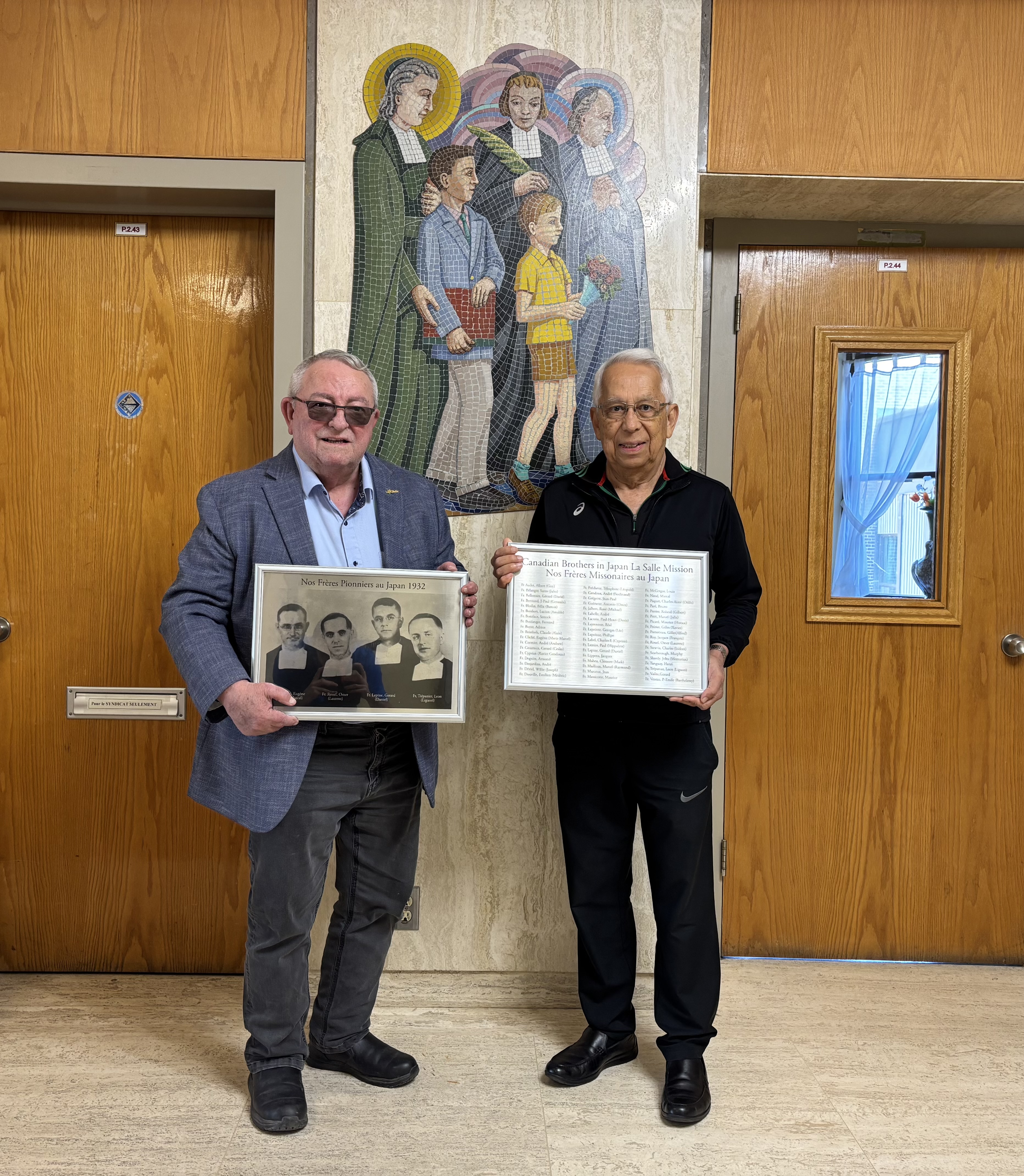
To express our gratitude to the Brothers in Canada, we chose two symbolic plaques. One bears an engraved image of the four pioneer Brothers who came to Japan in 1932. On the second plaque are engraved, in alphabetical order, the names of the 56 Brothers who served in Japan.
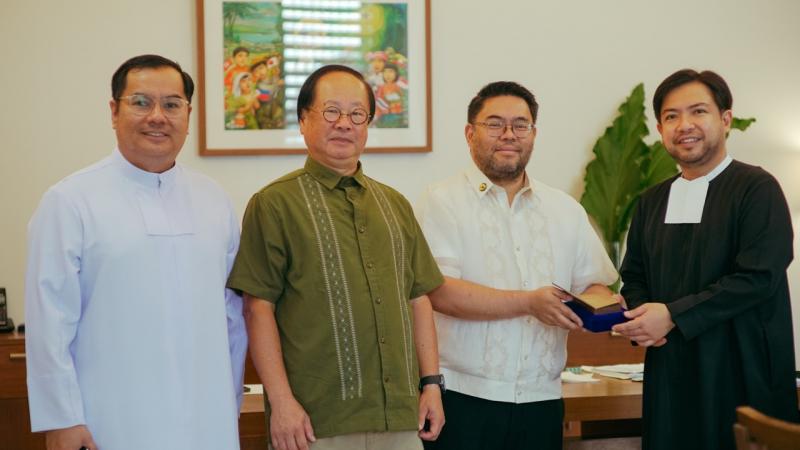
As a representative of the Brothers in Japan, I was sent to Canada during the second half of May 2026 to present these symbolic plaques to Brother Florent Gaudreault, FSC, former Visitor and now Director of La Salle Canada.
Brother Florent arranged my stay at Saint-Dorothée and personally took time to show me around the city. It was my first visit to Canada, and I found it to be a truly beautiful country.
The Saint-Dorothée Community is situated in the midst of a large, beautifully maintained lawn. Brother Florent also took me to the splendid Saint Joseph Oratory. We visited the former house of formation at Mont-de-La Salle, a magnificent building that is now used as a public school.
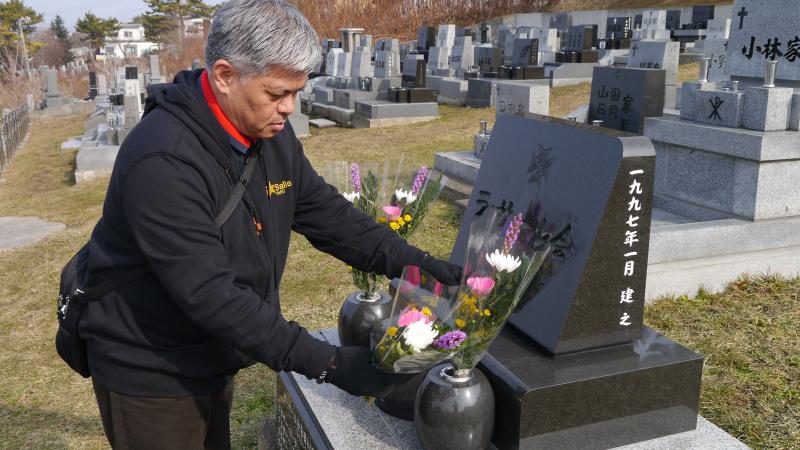
Another place we visited was the Brothers’ tomb in the city’s Catholic cemetery. I was able to recognize the names of several Brothers whom I had known during their years in Japan. May the Lord grant them eternal rest.
Brother Florent also arranged a brief visit to the home of one of Brother André Labelle’s relatives. There, we met Jack, his younger brother; Jean, his brother-in-law; and his niece and her husband. Years ago, we had met when they visited Brother André in Hakodate.
Meeting them again was a moving experience—a flashback that brought back memories of our earlier encounter in Hakodate. Once again, Brother André was at the center of our conversation.
The fraternal relationship between Canada and Japan does not end with the presentation of these two plaques as symbols of our shared belonging. In fact, the ashes of several Canadian Brothers who served in Japan rest in Catholic cemeteries in Sendai and Hakodate.
Recently, some former students visiting La Salle Hakodate have included a visit to the Brothers’ tomb as part of their journey. Through these places and memories, our two countries remain united by our shared history.
Most importantly, we remain connected through prayer. We pray for them, and they pray for us.
INDIVISA MANENT